
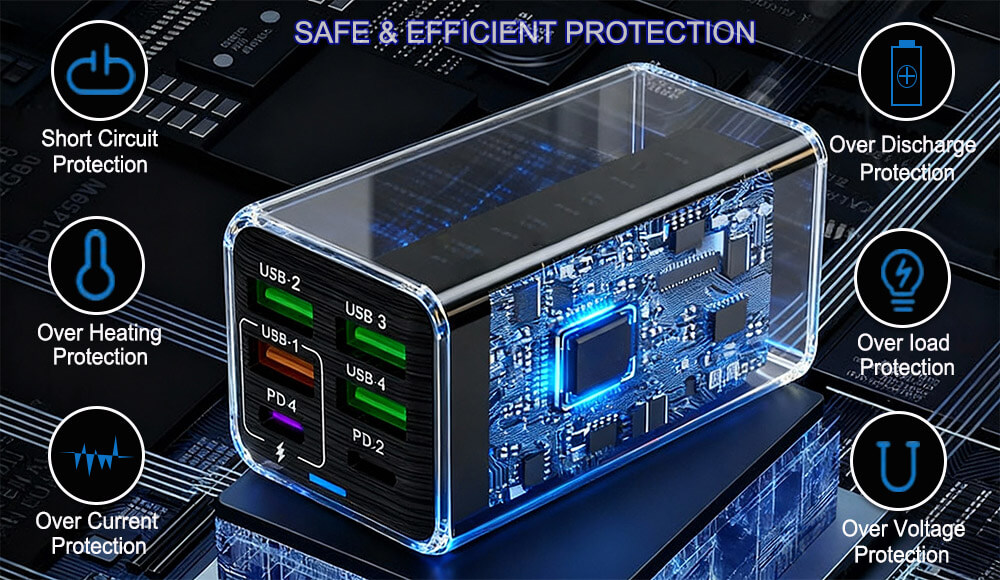
The global mobile phone accessories market is currently experiencing a period of remarkable expansion. In 2024, the sector was valued at roughly USD 95.16 billion, and industry projections indicate this figure could reach USD 172.02 billion by 2033, representing a compound annual growth rate of approximately 6.8 percent. Some forecasts are even more optimistic, placing the 2025 market size at an astonishing USD 270.28 billion with a trajectory toward USD 353.4 billion by 2029. What makes this environment particularly attractive for new entrants is the fact that non-original third-party accessories now command a dominant 65 percent share of the total market.This overwhelming preference for third-party alternatives, combined with the explosive growth of e-commerce, social commerce, and an insatiable consumer appetite for personalization, has created a golden era for private label mobile accessories brands.
However, achieving success in this competitive landscape requires far more than simply sourcing generic products and affixing a logo to them. It demands a sophisticated, multi-faceted strategy that encompasses in-depth market research, thoughtful product development, cohesive branding, memorable packaging design, and a robust marketing and supply chain framework. This guide outlines the essential best practices for building a sustainable and profitable private label mobile accessories brand in 2025 and beyond.
1. Understand the Market and Choose the Right Niche
Before investing in product design or manufacturing, it is critical to ground every decision in solid market data. The protective cases segment alone is forecast to reach USD 27.38 billion in 2025, with a growth rate of approximately 5.3 percent through 2030. However, attempting to compete across this entire broad spectrum is a common and costly mistake. The key to success lies in identifying and dominating a specific, defensible niche.
Niche Identification Strategies
Rather than trying to appeal to every consumer, successful private label mobile accessories brands concentrate their efforts on clearly defined customer segments. Several high-potential niches are currently gaining significant traction. Eco-friendly and biodegradable materials are increasingly sought after by environmentally conscious consumers. Products designed for MagSafe and other magnetic ecosystems continue to see surging demand, driven by Apple’s hardware ecosystem. Rugged cases with high-drop protection appeal to active lifestyles and industrial users, while custom art cases and designer collaborations tap into the growing consumer desire for personal expression.
Conducting Market Research
To identify a viable niche, brands should leverage digital tools such as Google Trends, AnswerThePublic, and BuzzSumo to analyze search volumes and identify competitive gaps. Running a thorough keyword demand analysis alongside a competitive gap assessment for two to three potential niche ideas is a prudent first step. The optimal strategy is to select a niche that exhibits moderate search volume but features lower competition, allowing a new brand to gain traction and visibility without being immediately overwhelmed by established industry incumbents.
Understanding Regional Differences
Consumer preferences for mobile accessories vary significantly across different geographic regions. North America accounts for roughly 35 percent of the global market, making it the largest single region. Consumers there tend to favor innovative accessories and place a high premium on brand reputation and seamless ecosystem compatibility. The Asia-Pacific region holds approximately 30 percent market share and is the fastest-growing market globally. Within this region, mature markets like Japan and South Korea show a preference for refined personalization, while high-growth markets such as China and Southeast Asia are more focused on value for money. Europe, representing about 20 percent of the market, places a strong emphasis on environmental protection and product quality standards.

2. Prioritize Product Quality and Reliable Manufacturing
Product quality is the non-negotiable foundation upon which every enduring brand is built. In the mobile accessories industry, inferior quality inevitably leads to negative reviews, frequent returns, and gradual brand erosion—all of which are extraordinarily difficult to reverse.
Material and Compliance Standards
When vetting potential suppliers, brands must insist on certain documentation and capabilities. Suppliers should be able to provide clear material traceability, detailing the origin of materials such as TPU, PU leather, PC, and silicone. They should also possess recognized quality certifications, including ROHS, REACH, and ISO 9001. Furthermore, they must demonstrate the ability to deliver consistent fit and finish for each device model. For markets in the European Union and North America, compliance with RoHS and REACH regulations is an absolute requirement. Brands should always request documentation of internal quality control processes, such as drop testing protocols, dimensional checks with tolerances within ±0.1 millimeters, and colorfastness reports.
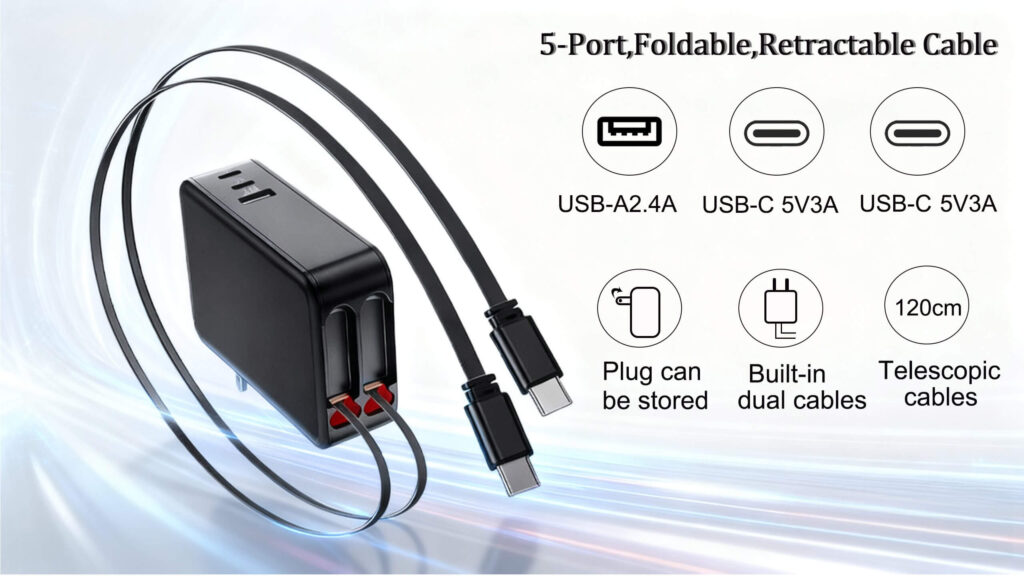
Private Label Mobile Accessoires Supplier Evaluation Framework
Selecting the right wholesale partner involves more than simply comparing price lists. A structured evaluation framework should assess the supplier’s operational reliability, technical expertise, and capacity for long-term partnership. Key operational reliability metrics include the on-time delivery rate, which should ideally exceed 95 percent to signal consistent logistics execution. The reorder rate is another telling indicator of customer satisfaction, while a response time of under four hours suggests proactive and attentive account management. In terms of production and customization depth, brands should look for suppliers who offer a broad range of services, including color, material, size, logo imprinting, packaging, and mixed-SKU batching. Factories with in-house tooling and design teams are particularly valuable as they can support comprehensive OEM and ODM development.
The Sample-First Approach
One of the most critical rules in private label mobile accessories branding is to always request physical samples before placing any bulk order. This step allows brands to confirm fit, finish, and logo accuracy with their own eyes. It is wise to require both digital proofs and physical samples before full production commences. For screen assemblies, insisting on burn-in tests is essential, while for cables and chargers, verifying voltage regulation and durability under repeated plugging cycles is a must.
3. Plan Your Private Label Mobile Accessories MOQ, Cost, and Pricing Strategy
For any private label brand, the cost structure directly defines its potential for scalability. Typical minimum order quantities range from 500 to 2,000 pieces per SKU, though this varies depending on the material and the level of customization required. Fortunately, many modern suppliers now offer tiered minimums to accommodate everything from startups to niche retailers and large-scale distributors.
Cost Components to Factor In
When calculating the total cost of goods sold, brands must account for a comprehensive set of variables. These include production costs, packaging costs, freight and shipping expenses, duties and customs fees, and marketing and platform fees if selling directly to consumers.
Pricing Strategy
Developing a sustainable pricing model requires a clear margin structure. At the wholesale level, margins should comfortably exceed 30 percent. For direct-to-consumer sales, margins should be even healthier, surpassing 50 percent after accounting for marketing expenditures.
Mitigating Risk
To mitigate financial risk and protect against supply chain disruptions, brands are advised to use secure payment methods that include escrow protection. Defining clear warranty terms for sensitive components and negotiating return clauses for defective batches are also prudent measures. Some suppliers are willing to accept test orders as small as five to ten units, which is an ideal way to validate build quality and compatibility before scaling up to larger production runs.
4. Build Your Brand Identity and Packaging Experience
A successful mobile accessories brand is defined by far more than its products. The visual identity and the unboxing experience are powerful drivers of perceived value. A well-designed package can transform a routine purchase into a memorable event, fostering customer loyalty and encouraging word-of-mouth promotion.
Private Label Mobile Accessories Brand Identity Elements
Developing a cohesive brand identity involves several core components. A custom logo and a consistent color palette should be applied across all customer touchpoints to ensure instant recognition. Crafting a compelling brand story that resonates with the target audience adds emotional depth and differentiation. Additionally, maintaining a consistent brand voice across all marketing channels and product descriptions reinforces the brand’s personality and builds trust. Applying logo printing, embossing, metal elements, texture branding, and other visual identity details on the product itself creates a more polished and professional look.
Packaging Options
The choice of packaging materials and formats should align with the brand’s positioning and target market.
OPP bag packaging is the simplest and most cost-effective option. It is well-suited for clear TPU phone cases, basic silicone cases, promotional orders, and cost-sensitive distributor supply. While a label or SKU sticker can be added to the outside of the bag, this packaging style may not convey the premium feel required for retail display.
Paper box packaging is a popular choice for private label projects because it provides a cleaner, more retail-ready appearance. It allows brands to print their logo, product information, barcode, and model details directly on the box. Options range from simple white boxes and eco-friendly kraft boxes to fully customized color-printed retail boxes.
Insert cards are a practical and versatile option that can be used inside OPP bags, paper boxes, or clear display packaging. These cards typically feature the brand logo, product name, phone model, basic features, and barcode information, adding a layer of professionalism without significant cost.
Hang hole packaging is specifically designed for retail displays, allowing products to be hung on hooks in mobile accessory shops, supermarkets, electronics stores, and retail chains. For brands pursuing a luxury positioning, custom printed paper tube packaging with rigid paperboard and customized inner trays offers a truly premium unboxing experience.
One noteworthy trend is that brands offering eco-friendly or minimal packaging often perform better on Amazon and direct-to-consumer platforms, as sustainability continues to be a significant purchasing factor for modern consumers.
5. Streamline Fulfillment and Channel Strategy
Deciding early on whether to manage B2B bulk orders, direct-to-consumer shipments, or a combination of both is essential for operational efficiency. Fast and reliable fulfillment is a key driver of customer retention and helps minimize refund rates.
Private Label Mobile Accessories Fulfillment Options
Several fulfillment models are available to private label brands. Self-fulfillment offers complete control over the process but is resource-intensive and can be challenging to scale. Partnering with third-party logistics providers provides a scalable solution for growing brands, allowing them to leverage established infrastructure. Drop-shipping offers a low-risk entry point for new brands, eliminating the need for upfront inventory investment. Some manufacturers also provide flexible shipping support, including third-party logistics preparation, labeling, and drop-shipping services.
Channel Strategy
The mobile accessories market exhibits distinct channel preferences. Offline retail still accounts for approximately 66.6 percent of all sales, making it a critical channel for broad market penetration. However, e-commerce is growing rapidly, with social commerce emerging as a particularly powerful driver. The proliferation of TikTok-related content, which has surpassed 446,000 videos, is accelerating traffic conversion and creating new opportunities for brands to reach consumers in engaging and interactive ways.
6. Test, Iterate, and Scale
After launching the initial two to three SKUs, it is imperative to track sales data on a weekly basis. This data should inform continuous adjustments to pricing, product imagery, and advertising creative based on click-through and conversion metrics.
Testing Best Practices
A rigorous testing regimen is essential for optimizing performance. Brands should A/B test different product images, experimenting with various angles, lifestyle settings, and color combinations. Testing different pricing tiers helps identify the sweet spot between sales volume and profit margin. Actively gathering customer feedback through surveys and reviews provides invaluable insights into design preferences and potential improvements. Monitoring return rates is also critical, as a high rate of returns is often a clear indicator of quality or fit issues.
Scaling Strategy
Once product-market fit has been validated, brands can pursue several strategic avenues for scaling. This includes expanding the SKU count thoughtfully, entering new sales channels such as retail partnerships or new e-commerce platforms, developing seasonal collections to capitalize on specific buying periods, and considering co-branded or themed launches to tap into new audiences.
7. Private Label Mobile Accessories Supply Chain and Quality Management
For sustainable, long-term growth, the supply chain must be both robust and scalable. A resilient supply chain is the backbone of consistent product quality and on-time delivery.
End-to-End Supply Chain Coordination
Effective supply chain management requires seamless coordination across multiple functions. This includes product design and development, sourcing and procurement, rigorous quality control, production scheduling, international logistics, and comprehensive after-sales service. Brands should seek partners who can manage this entire ecosystem efficiently.
Quality Control Best Practices
Maintaining high quality standards demands a proactive approach. Brands should request material safety data sheets for all components to ensure compliance with health and safety standards. Conducting third-party inspections through reputable agencies like SGS or Intertek provides an objective assessment of product quality. Performing pre-shipment audits is another essential safeguard, as is requiring functional test reports before placing any bulk order.
Intellectual Property Protection
When sourcing from overseas manufacturers, protecting intellectual property is a critical concern. Brands should use non-disclosure agreements to safeguard proprietary information. Registering trademarks in all target markets provides legal protection and brand exclusivity. It is equally important to work with suppliers who respect intellectual property rights and to exercise caution when sharing proprietary designs without appropriate legal protections in place.
8. Marketing and Customer Acquisition
Even the highest quality product will struggle to gain traction without a well-executed marketing strategy. In a crowded marketplace, effective customer acquisition is the engine of growth.
Digital Marketing Strategies
Social media marketing is an indispensable tool in the mobile accessories space, as social commerce is a key driver of sales. Platforms such as TikTok, Instagram, and YouTube are ideal for showcasing product features, creating compelling unboxing videos, and sharing lifestyle content that resonates with target audiences. Influencer partnerships are another powerful tactic, with micro-influencers often providing a better return on investment than mega-influencers due to their more engaged and niche followings. Content marketing, including care guides, style tips, comparison videos, and behind-the-scenes manufacturing content, helps build brand authority and fosters a deeper connection with consumers. Community building is also a potent strategy; some successful brands now acquire more than half of their traffic organically through engaged and loyal customer communities.
Retail Marketing
For brands that sell through physical retail channels, a distinct set of marketing tactics applies. This includes creating compelling in-store displays and merchandising materials, providing retail sales training to ensure staff can effectively promote the products, and developing bundle promotions and cross-selling strategies to increase average order value.
9. Common Pitfalls to Avoid
The path to custom mobile phone accessories wholesale success is littered with common mistakes that can derail even the most promising brands.
One of the most prevalent errors is skipping the sample phase. Misunderstandings over artwork specifications, material grades, or packaging dimensions are frequent causes of costly rework and delays. Another major pitfall is neglecting compliance with regional regulations. Different markets have different legal requirements, and failure to comply with RoHS, REACH, or other standards can result in rejected shipments, fines, and legal liabilities. Underestimating shipping costs is another common oversight. Freight and duties can have a significant impact on margins, so these must be factored into the pricing model from the very beginning. Poor inventory management, whether it leads to stock-outs or excess inventory, can cripple a business; using data to forecast demand accurately is essential to avoid these extremes. Finally, ignoring brand consistency across products, packaging, and marketing channels confuses customers and dilutes brand equity. A unified brand experience is critical for building recognition and trust.
10. Private Label Mobile Accessories Future Trends
Staying ahead of the curve requires awareness of emerging trends that will shape the mobile accessories industry in the coming years.
In terms of product technology, the magnetic ecosystem continues to expand, with MagSafe and similar technologies becoming standard features. The growth of foldable screen devices is creating a new demand for specific accessories designed for these form factors. NFC integration is also enabling smart features within accessories, adding functionality beyond basic protection and utility. Design personalization is another dominant trend, with IP collaborations between accessory brands and popular entertainment franchises or artists gaining significant momentum. New material applications are pushing the boundaries of sustainability and aesthetics, while custom artwork services allow consumers to personalize products to their individual tastes. Sustainability itself is transitioning from a differentiator to a baseline expectation, with eco-friendly materials and minimal packaging becoming table stakes for industry participation.
Conclusion
Building a successful private label mobile accessories brand is a complex but achievable endeavor that requires a strategic, holistic, and data-driven approach. Success is not determined by any single factor but by the convergence of several critical practices.
These include conducting thorough, data-driven market research to identify and dominate the right niche; establishing and maintaining reliable manufacturing partnerships that adhere to rigorous quality control protocols; developing a strategic pricing model that ensures sustainable margins across all sales channels; crafting a strong, cohesive brand identity supported by memorable and appropriate packaging; implementing an omnichannel fulfillment and customer acquisition strategy that meets consumers where they are; and embracing a culture of continuous testing and iteration based on real-world performance data.
The opportunity within the mobile accessories market is immense, with the global sector projected to reach between USD 172 billion and USD 353 billion by 2033. However, this tremendous opportunity is matched by equally intense competition. The brands that will ultimately thrive are those that combine uncompromising product quality with distinctive branding, effective omnichannel marketing, and a resilient, efficient supply chain.
The proven path to private label mobile accessories success is clear. It requires starting small to validate assumptions, testing thoroughly to identify what truly works, building the brand deliberately and with intention, and scaling strategically based on solid data. With discipline, patience, and a steadfast commitment to excellence at every stage of the journey, entrepreneurs can carve out a profitable and enduring place in this dynamic and ever-evolving industry.